


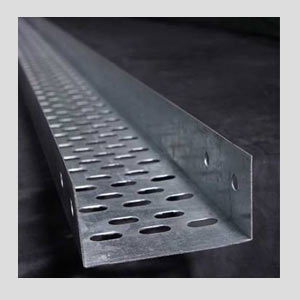


Looking for the best cable tray manufacturers in India for your industrial, commercial, or infrastructure project? Choosing the right cable tray system is essential for organizing electrical cables, improving installation efficiency, supporting cable loads, and maintaining a safer electrical infrastructure.
Shree Cable Tray Pvt. Ltd. provides cable management solutions designed to meet a variety of project requirements. From industrial cable trays and ladder cable trays to perforated trays, GI cable trays, stainless steel cable trays, and related accessories, the right configuration can help create an organized, accessible, and dependable cable routing system.
Whether you are an electrical contractor, EPC company, consultant, project engineer, purchase manager, or industrial buyer, selecting a suitable cable tray manufacturer involves more than comparing prices. Material quality, tray dimensions, load requirements, finish, customization options, delivery schedules, and technical support all play an important role.
Planning a cable tray installation? Share your project specifications with Shree Cable Tray to discuss suitable products, available configurations, and quotation requirements.

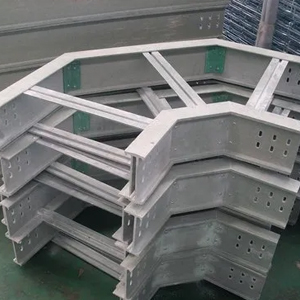
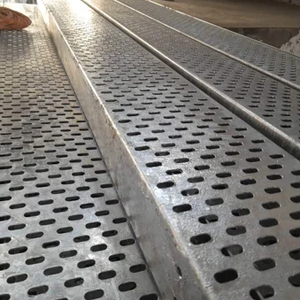
Cable trays are an important part of electrical infrastructure. They support and route power, control, instrumentation, and communication cables through buildings, factories, utility areas, and industrial facilities.
An unsuitable cable tray can create installation difficulties, increase maintenance requirements, or fail to provide adequate support under the specified operating conditions. Selecting the right manufacturer helps you evaluate these requirements before procurement.
When comparing cable tray manufacturers in India, consider the following factors:
The tray material and protective finish should suit the installation environment. Indoor commercial installations may have different requirements from outdoor industrial plants, coastal locations, or chemical processing facilities.
Cable trays must be selected according to the total cable load, support spacing, installation configuration, and applicable design requirements. Always verify the manufacturer's load data rather than choosing a tray based on appearance alone.
Ladder, perforated, solid-bottom, and wire mesh cable trays serve different purposes. Selecting the appropriate design can improve cable support, accessibility, ventilation, and installation efficiency.
Tray width, side height, thickness, bends, tees, reducers, covers, couplers, and supports should be considered as part of the complete cable routing system.
Ask about material specifications, dimensional tolerances, coating requirements, load-test data, inspection documentation, and compliance with the standards specified for your project.
A suitable supplier should provide a clear quotation covering specifications, quantities, finish, accessories, taxes, transport, and expected delivery schedules.
Different cable tray designs are suited to different cable management requirements. Understanding their features makes it easier to shortlist the right product for your project.
Ladder cable trays feature two side rails connected by regularly spaced rungs. Their open design allows ventilation and convenient cable access, making them a common choice for many industrial installations.
Key benefits:
Typical applications: Industrial plants, power distribution systems, utility facilities, and large commercial installations.
Perforated cable trays feature openings in the tray base to provide ventilation while supporting cables along the route.
Key benefits:
Typical applications: Commercial buildings, factories, electrical rooms, and cable routing systems requiring continuous bottom support.
Solid-bottom cable trays provide a continuous base beneath the cables. Depending on the application, they may be selected where additional physical separation or protection from falling debris is required.
Key benefits:
Typical applications: Selected instrumentation, control, and commercial cable installations.
Important: Heat dissipation, moisture accumulation, cable type, and environmental conditions must be considered before selecting a solid-bottom design.
Wire mesh cable trays use a welded wire construction to provide a lightweight and adaptable cable routing system.
Key benefits:
Typical applications: Data centers, IT infrastructure, telecom installations, and commercial buildings.
Galvanized iron or galvanized steel cable trays are widely used where a metallic tray with a protective zinc coating is appropriate. Confirm the actual base material and galvanizing process in the product specification.
Key benefits:
Typical applications: Factories, commercial buildings, electrical installations, and utility infrastructure.
Stainless steel cable trays may be suitable for environments where corrosion resistance, cleanliness, or specific material properties are important.
Key benefits:
Typical applications: Chemical processing, pharmaceutical facilities, food processing plants, and selected coastal or corrosive environments.
Always confirm the stainless steel grade, finish, and environmental compatibility before ordering.
| Cable Tray Type | Main Advantage | Common Applications |
|---|---|---|
| Ladder cable tray | Ventilation and cable access | Industrial plants and power systems |
| Perforated cable tray | Cable support with ventilation | Commercial buildings and factories |
| Solid-bottom cable tray | Continuous base support | Selected control and instrumentation systems |
| Wire mesh cable tray | Lightweight and adaptable routing | Data centers and telecom installations |
| GI cable tray | Zinc-coated metallic protection | General industrial and commercial use |
| SS cable tray | Corrosion resistance based on grade | Chemical, pharmaceutical, and food-processing facilities |
The best choice depends on cable type, loading, installation conditions, environmental exposure, maintenance needs, and project specifications. Material and tray design are separate selection decisions: for example, a ladder or perforated tray may be manufactured using different materials and finishes.
Selecting the right material helps balance durability, corrosion resistance, and project cost.
GI cable trays typically use a zinc-coated steel base material. They are often considered for general industrial and commercial installations where the coating is suitable for the exposure conditions.
Mild steel cable trays can offer structural strength and flexibility in manufacturing. Their suitability depends on the selected thickness, design, and protective finish. Painted, powder-coated, or galvanized finishes may be considered according to the application.
Stainless steel trays can be appropriate for environments that require enhanced corrosion resistance. The correct grade matters: not every stainless steel grade performs equally well in every chemical, coastal, or high-moisture environment.
How to decide: Specify the installation location, expected exposure, cable loading, required service life, and project standards before finalizing the material.
Shree Cable Tray's product range can be evaluated for cable routing requirements across a variety of sectors, subject to product specifications and project suitability.
Each project should be assessed individually to confirm material compatibility, load requirements, environmental suitability, and applicable safety provisions.
One of the most common questions buyers ask is: What is the price of a cable tray in India?
Cable tray prices vary according to the product specifications and order requirements. A reliable quotation should be based on the actual configuration rather than a generic price alone.
The main factors influencing cable tray cost include:
For a faster and more useful quotation, share the following information:
If some details are not finalized, share your available drawings or basic project requirements to begin the discussion.
Before placing an order, evaluate the manufacturer against your technical and commercial requirements.
These checks help procurement teams make a better-informed decision and reduce the likelihood of ordering a cable tray system that does not suit the installation.
Shree Cable Tray Pvt. Ltd. offers cable management products for customers evaluating solutions for electrical, industrial, commercial, and infrastructure applications.
When discussing your requirements with our team, you can share your application, tray configuration, material preference, dimensions, quantity, and delivery location to help identify a suitable quotation.
Reasons to contact Shree Cable Tray:
We recommend evaluating every proposed product against your technical specifications, applicable standards, and site conditions before placing an order.
Planning a new industrial installation, commercial building, electrical upgrade, or infrastructure project?
Contact Shree Cable Tray to discuss your cable management requirements. Share your tray type, dimensions, material, quantity, accessories, and project location so that your enquiry can be assessed more efficiently.
Ask for product specifications, availability, applicable documentation, and a quotation based on your project requirements.
Choose a manufacturer that can meet your required tray type, material, dimensions, load requirements, quality documentation, customization needs, and delivery schedule. Shree Cable Tray is an option to contact when evaluating cable tray products for your project.
Cable tray prices depend on the tray design, material, dimensions, thickness, surface finish, order quantity, accessories, and delivery location. To obtain a meaningful quotation, provide your specifications or bill of quantities rather than relying on a generic price.
Ladder and perforated cable trays are common choices for industrial installations, but the correct option depends on cable weight, support spacing, ventilation, environmental exposure, and maintenance requirements. Always verify the design against the manufacturer's technical data.
Ladder trays have side rails connected by rungs, providing an open structure with good ventilation and cable access. Perforated trays have a continuous base with openings, offering more continuous cable support while allowing airflow through the perforations.
GI generally refers to zinc-coated steel, MS to mild steel, and SS to stainless steel. GI provides protective zinc coating, MS requires a suitable protective finish where needed, and SS offers corrosion resistance according to its grade and environment.
The appropriate outdoor cable tray depends on moisture, rain, UV exposure of non-metallic components, temperature, pollution, and corrosive conditions. A suitable galvanized or stainless steel option may be considered after evaluating the actual exposure and required service life.
Custom dimensions, material specifications, finishes, and fittings may be possible depending on the manufacturer's capabilities and technical feasibility. Share your drawings, dimensions, or bill of quantities to confirm the available options.
Wire mesh and perforated cable trays are common options for data center cable routing. Selection depends on cable type, routing density, support requirements, airflow considerations, separation requirements, and the installation layout.
Provide the tray type, width, side height, thickness, material, finish, quantity, required fittings, delivery location, and target delivery date. Drawings or a bill of quantities can help clarify the requirements.
That depends on the application and project specification. Covers may be required for selected environmental or protection needs, while bends, tees, reducers, couplers, supports, and fasteners help complete the routing system. Confirm compatibility with the proposed tray design.
Cable tray size depends on the number, diameter, and type of cables, cable arrangement, allowable fill criteria, future expansion, installation conditions, and applicable electrical standards. Consult the project designer or qualified electrical engineer before finalizing the dimensions.
Applicable standards depend on the project, product design, installation location, and specification. Ask the manufacturer to identify the standards relevant to the proposed product and provide supporting documentation where required. Do not assume that every tray automatically complies with every Indian or international standard.
Bulk procurement can be discussed based on the required quantity, product specifications, accessories, dispatch schedule, and delivery destination. Share the project bill of quantities to help the supplier assess the requirement.
Call +91 73856 79111, use the WhatsApp enquiry link, or visit the contact page. Include your technical specifications, quantity, and delivery location to help the team review your enquiry.
Choosing a cable tray manufacturer is an important step in planning a dependable cable management system. The right decision balances technical suitability, material performance, installation requirements, quality documentation, and total project cost.
If you are comparing cable tray manufacturers and suppliers in India, contact Shree Cable Tray Pvt. Ltd. to discuss your requirements, explore available products, and request a project-specific quotation.
Shree Cable Tray – Discuss Your Cable Management Requirements With Our Team Today.